

Soy sauce, a staple condiment in Asian cuisine, adds depth and umami flavor to a wide range of dishes. But have you ever wondered how this savory sauce is made? Learn the process of soy sauce production and explore 9 varieties of soy sauce and how they're used.
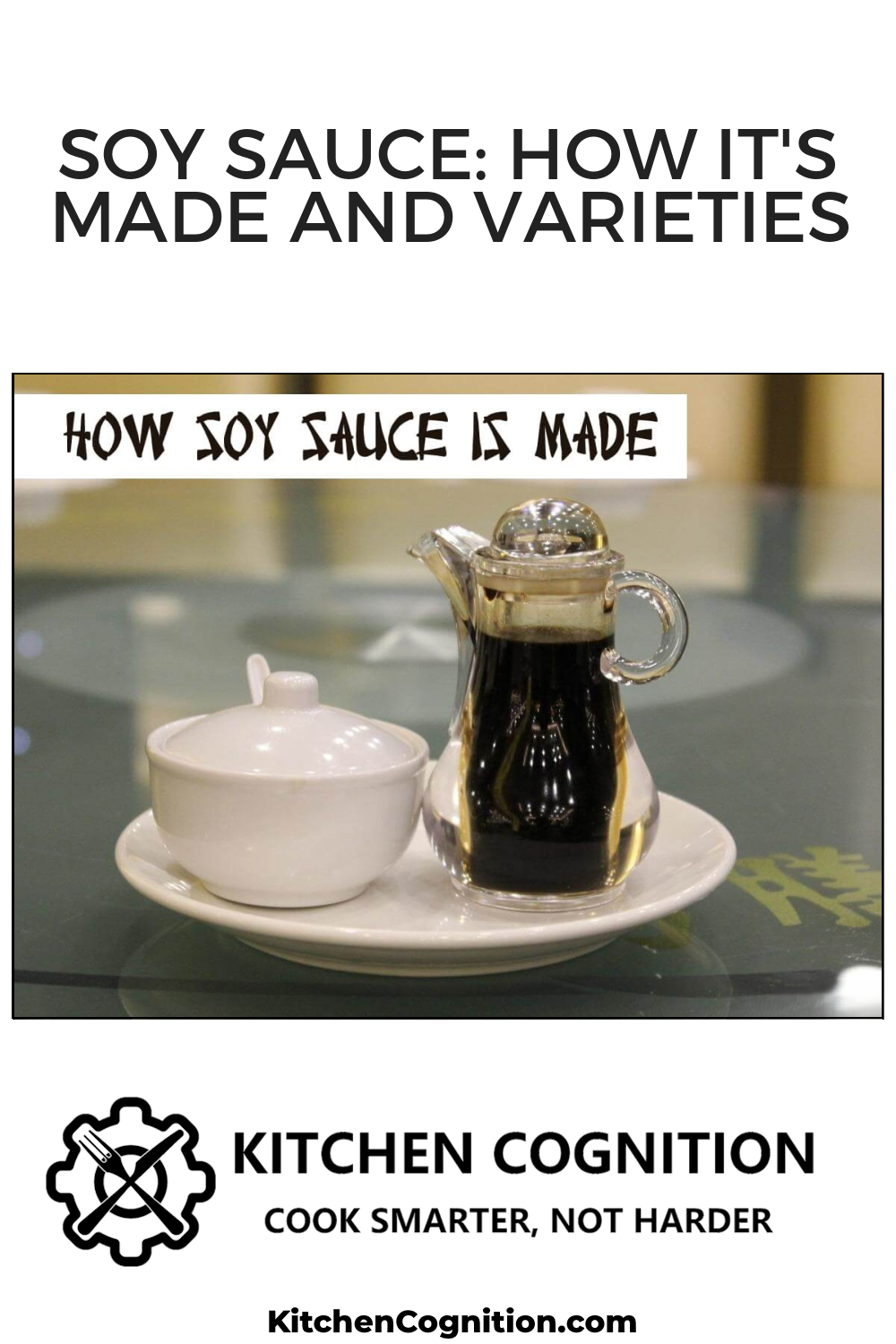
How Soy Sauce is Made
The ingredients:
The two key ingredients in soy sauce production are soybeans and wheat. Traditionally, the ratio is around two parts soybeans to one part wheat.
Fermentation:
The first step in making soy sauce is to create a mixture called koji. Koji is made by combining steamed soybeans and roasted wheat with a specific type of mold called Aspergillus oryzae. This mold helps break down the carbohydrates in the ingredients into simple sugars, which will later be fermented into alcohol.
Brine fermentation:
After the koji has been prepared, it is mixed with saltwater to create a brine solution. This mixture is then transferred to large fermentation tanks called moromi. The fermentation process can take anywhere from several months to a few years, depending on the desired flavor and style of soy sauce.
Aging and filtering:
During fermentation, enzymes present in the koji break down proteins into amino acids, resulting in a complex flavor profile. As the fermentation progresses, the mixture gradually darkens in color and develops its characteristic aroma.
Once fermentation is complete, the moromi is pressed to separate the liquid portion from the solids. The liquid is then filtered to remove any remaining impurities.
Pasteurization and bottling:
To ensure product safety and extend its shelf life, the soy sauce is pasteurized by heating it to a specific temperature. This process kills any remaining microorganisms without altering its flavor.
Finally, the soy sauce is bottled, ready to be enjoyed by consumers around the world.
9 Soy Sauce Varieties
1. Regular Soy Sauce: Regular soy sauce, also known as "koikuchi" in Japanese or "shoyu" in Chinese, is the most commonly used type of soy sauce. It has a balanced flavor profile with a harmonious blend of saltiness, sweetness, and umami. Regular soy sauce is suitable for general cooking purposes such as marinades, stir-fries, and dipping sauces.
2. Light Soy Sauce: Light soy sauce, or "usukuchi" in Japanese, is lighter in color and less salty than regular soy sauce. It has a more delicate taste and is often used to enhance the natural flavors of ingredients without overpowering them. Light soy sauce is commonly used in soups, dressings, and steamed dishes.
3. Dark Soy Sauce: Dark soy sauce is thicker and darker in color compared to regular soy sauce due to a longer fermentation process and the addition of molasses or caramel. It has a stronger flavor with a hint of sweetness and imparts a deep color to dishes. Dark soy sauce is typically used for braising, glazing meats, or adding richness to stews and sauces.
4. Tamari: Originating from Japan, tamari is a type of soy sauce made without wheat. It has a rich, full-bodied flavor that is slightly sweeter than regular soy sauce. Tamari is an excellent gluten-free alternative and is often used in dishes where its robust taste can shine, such as dipping sauces, sushi, and sashimi.
5. Sweet Soy Sauce (Kecap Manis): Popular in Indonesian cuisine, sweet soy sauce, or "kecap manis," is a thick, syrupy sauce with a pronounced sweetness. It is made by adding palm sugar or molasses to soy sauce during the fermentation process. Sweet soy sauce adds a delightful caramelized flavor to dishes, making it a perfect accompaniment for grilled meats, stir-fries, and noodle dishes.
6. Shiro Soy Sauce: Shiro soy sauce, also known as white soy sauce, originates from Japan. Unlike its darker counterparts, shiro soy sauce is made from wheat, salt, and koji (a fermented rice mold). It has a milder flavor profile with a delicate salty-sweet taste. Shiro soy sauce is often prized for its ability to enhance the natural flavors of ingredients without overpowering them. It is commonly used in light-colored dishes and as a dipping sauce.
7. Saishikomi Soy Sauce: Saishikomi soy sauce is a traditional variety that hails from Japan. It is made by fermenting soybeans twice instead of the usual single fermentation process used for regular soy sauce. This results in a richer and more intense flavor profile. Saishikomi soy sauce has a deep reddish-brown color and a complex taste that pairs well with heartier dishes like stews and braises.
8. Mushroom Soy Sauce: Mushroom soy sauce is a unique type that combines the umami-richness of soybeans with earthy mushroom flavors. It is typically made by infusing regular soy sauce with dried mushrooms during the fermentation process, resulting in a distinct taste profile. Mushroom soy sauce can add depth and complexity to stir-fries, marinades, and sauces.
9. Black Bean Soy Sauce: Black bean soy sauce, also known as douchi or tauco sauce, is a specialty from Chinese cuisine. It is made by fermenting black soybeans, salt, and spices. This type of soy sauce has a strong and pungent flavor, with notes of bitterness and earthiness. Black bean soy sauce is commonly used in Sichuan and Cantonese cuisines to add depth to dishes such as braised meats, stir-fries, and noodle preparations.
Comments