
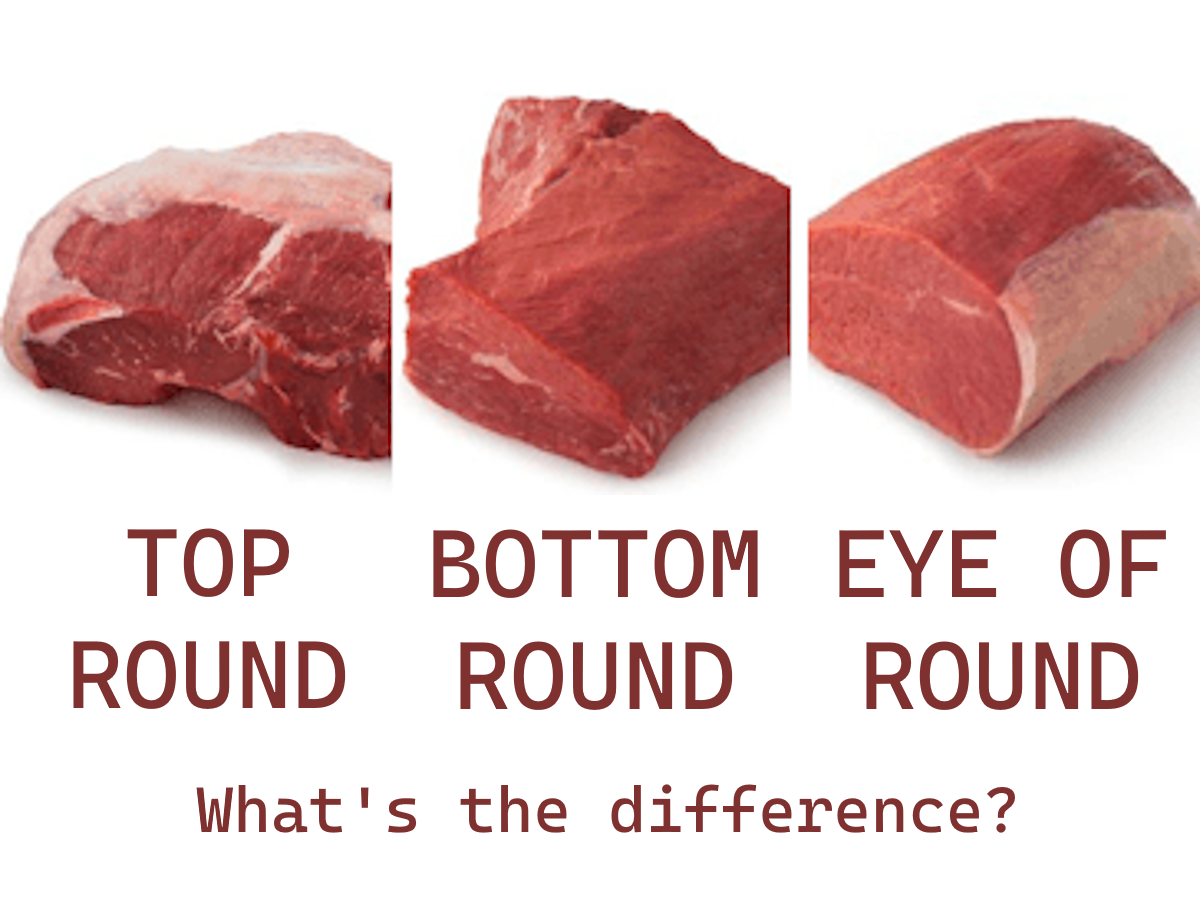
When you stroll through the meat section of your local grocery store or visit your butcher, you're often met with a variety of beef cuts. Among these, the top round, bottom round, and eye of round are popular choices. They originate from the rear leg of the cow, an area known for its lean meat. Though they may seem similar, each cut has unique qualities that influence their flavor, texture, and ideal cooking methods.
Top Round
The top round is cut from the inside of the leg. It is lean, moderately tender, and usually more affordable than premium cuts like ribeye or tenderloin. Due to its tenderness compared to other round cuts, it's a versatile choice for various dishes.
Roasting: The top round is often roasted and sliced thin for sandwiches.
London Broil: This cut is popular for making London broil, which involves marinating and broiling or grilling.
Stir-Fry: When sliced thinly against the grain, it works well in stir-fry dishes.
Bottom Round
The bottom round comes from the outside part of the leg. It is typically tougher than the top round but still quite flavorful. It's often divided into two cuts: the bottom round roast and the rump roast.
Pot Roast: The bottom round is ideal for pot roasting, where slow cooking helps to break down the tough muscle fibers, making the meat tender and juicy.
Braised Dishes: Braising, which involves cooking the meat slowly with a bit of liquid, is perfect for this cut.
Grind for Ground Beef: Due to its texture, bottom round is commonly ground for hamburger meat.
Eye of Round
The eye of round is a small, cylindrical cut from the hind leg. It is the leanest and often the most affordable of the round cuts. However, it is also the toughest, requiring specific cooking techniques to make it palatable. Roasting: The eye of round can be roasted but should be done at a low temperature to prevent it from becoming too tough.
Thin Slicing: Often used for deli-style roast beef, where it can be sliced very thin after cooking.
Marinating: Marinating helps to add flavor and tenderness to this lean cut.
Key Differences
The primary differences among these cuts lie in their tenderness, flavor, and best cooking methods:
Top Round: Moderately tender, versatile, good for roasting, broiling, and stir-frying.
Bottom Round: Tougher, ideal for slow cooking methods like pot roasting and braising.
Eye of Round: Leanest and toughest, best when roasted at low temperatures or thinly sliced for sandwiches.
Comments