
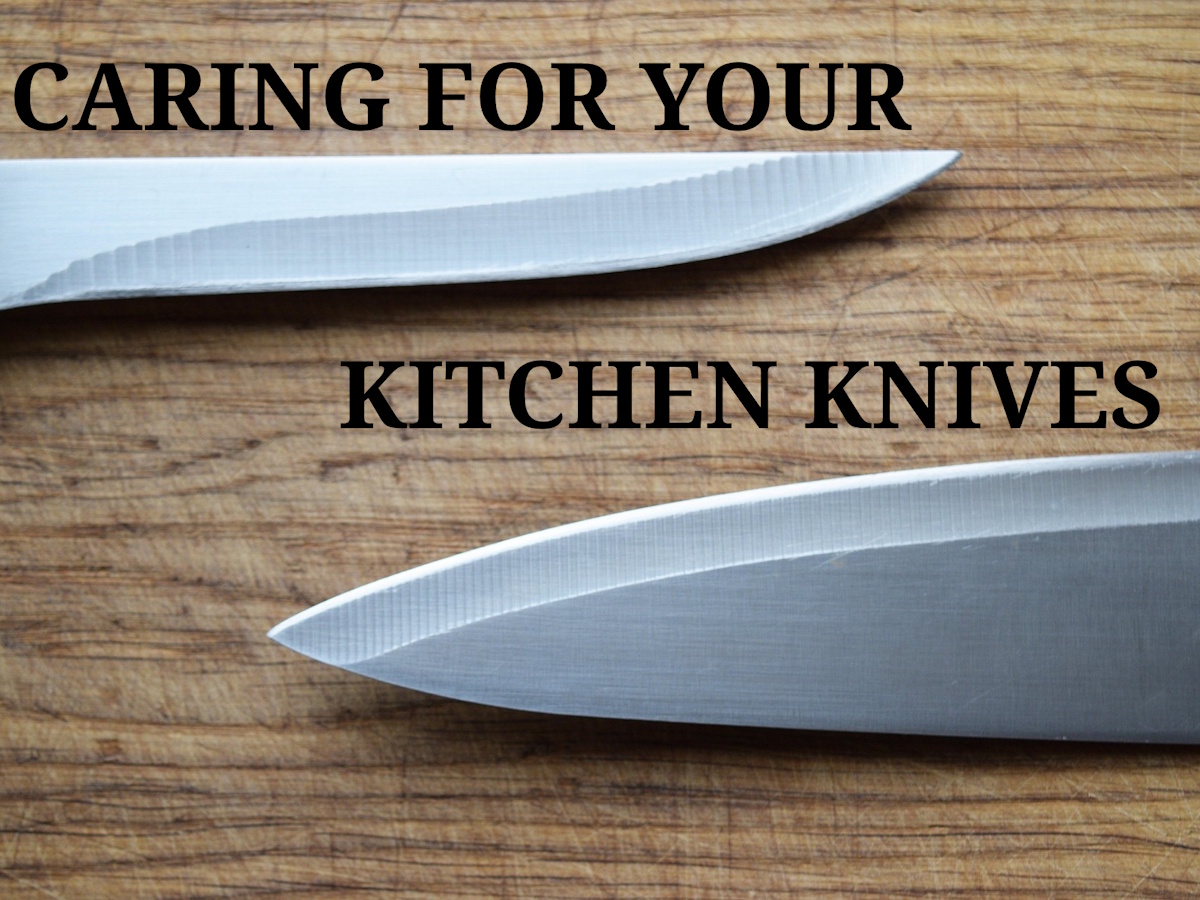
A well-maintained kitchen knife is a cook's best friend. Proper care and maintenance not only enhance the knife's performance but also extend its lifespan.
Regular Sharpening
Keeping your knives sharp is paramount. Dull knives not only make cutting more laborious but also increase the risk of accidents. Here are a few ways to keep your knives sharp:
1. Whetstone: This is the preferred method for many chefs. Start by soaking the stone in water for about 10 minutes. Hold the knife at a 20-degree angle and draw it across the stone, alternating sides. Repeat until the edge is sharp.
2. Honing Rod: Use this tool to maintain the knife's edge between sharpenings. Hold the rod vertically and swipe the blade down and across it at a 20-degree angle.
3. Electric Sharpener: Convenient for quick sharpening. Follow the manufacturer's instructions for best results.
Proper Cleaning
Avoid dishwashers as the harsh detergents and high temperatures can damage the knife's edge and handle. Instead, wash knives by hand with warm, soapy water, and dry them immediately to prevent rust and water spots. Here are a few tips for cleaning your knives:
1. Hand Wash Only: Always wash your knives by hand with warm, soapy water. Avoid the dishwasher, as the harsh detergent and heat can damage the blade.
2. Dry Immediately: After washing, dry the knife thoroughly with a soft cloth to prevent rust and water spots.
3. Avoid Soaking: Never leave your knives soaking in water, as this can cause the handle and blade to degrade.
Safe Storage
Storing knives properly protects both the blades and you. Here are a few options:
1. Knife Blocks: Convenient and safe but make sure to place knives in the slots correctly to avoid dulling the edges.
2. Magnetic Strips: Save counter space and keep knives readily accessible.
3. Drawer Inserts: Provide safe and organized storage, ensuring that knives don't rub against other utensils.
Correct Usage
Using your knives properly can greatly extend their lifespan. Here are a few tips:
1. Use the Right Cutting Surface: Always use a wood or plastic cutting board. Avoid cutting on hard surfaces like glass or granite, as they can dull the blade.
2. Cut with Care: Use a slicing motion rather than a chopping one to preserve the edge. Avoid cutting through bones or hard items that can chip the blade. Use the correct knife for each task.
3. Regular Maintenance: Inspect your knives regularly for any signs of damage. Address any issues promptly to prevent further deterioration.
Taking good care of your kitchen knives will not only keep them in top condition but also make your cooking experience more enjoyable and efficient.
Comments