

Yogurt and Greek yogurt are two popular dairy products that are commonly consumed as a healthy snack or added to meals. While many people may assume that they are the same thing, there are actually some significant differences between the two.
The Differences
One of the main differences between yogurt and Greek yogurt is the way they are made. Yogurt is made by fermenting milk with specific strains of bacteria, while Greek yogurt is made in a similar way, but with an additional step that involves straining the yogurt to remove excess liquid.
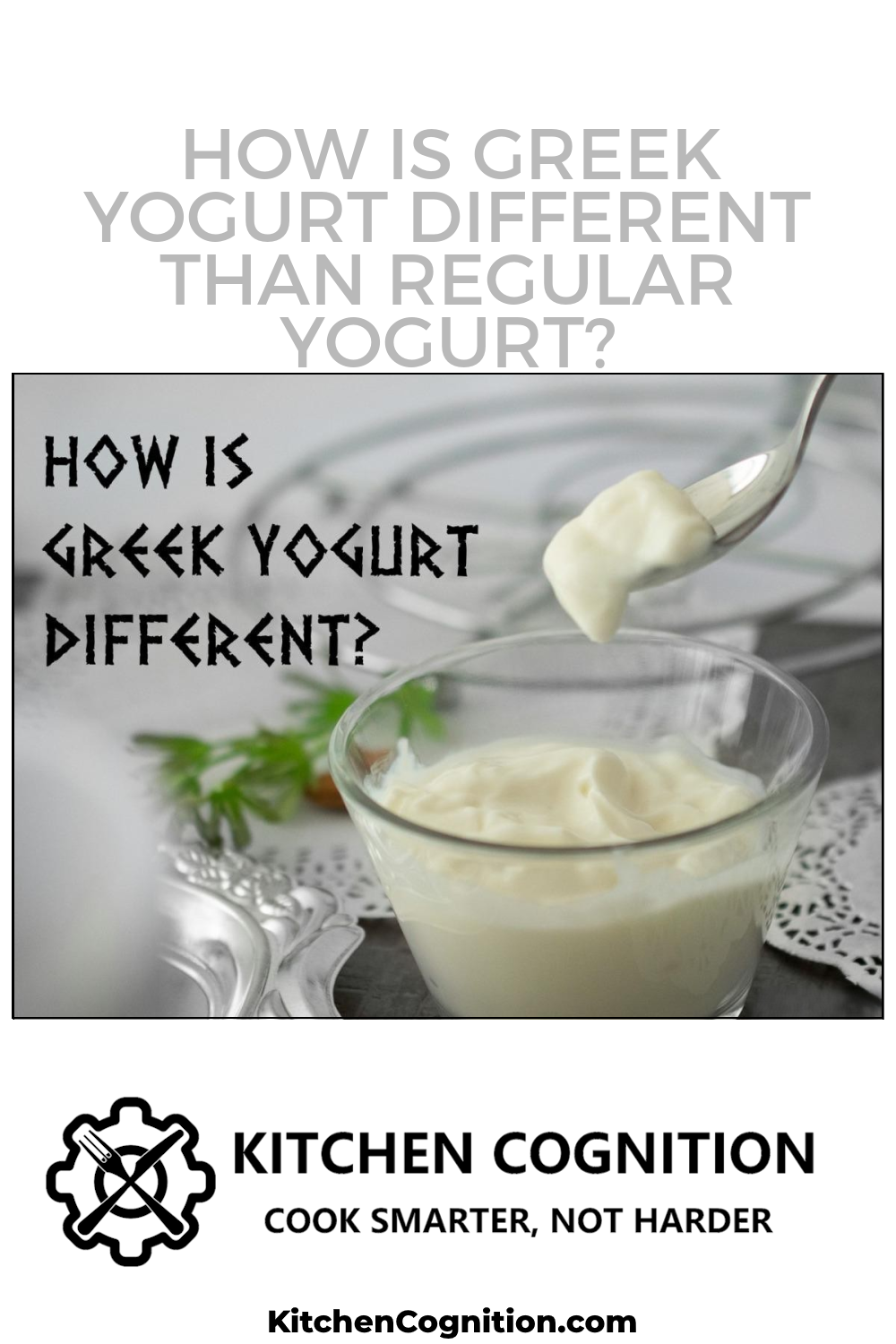
This straining process gives Greek yogurt its characteristic thick and creamy texture, as well as a higher protein content compared to regular yogurt. In fact, Greek yogurt typically contains almost double the amount of protein as regular yogurt, making it a popular choice for athletes and those looking to increase their protein intake.
Another difference between the two is their taste. Due to its higher fat content, regular yogurt tends to have a creamier and milder taste compared to Greek yogurt, which can be slightly tangy and sour. However, both types of yogurt come in a variety of flavors and can be sweetened with fruit or other additives.
When it comes to nutritional value, both yogurt and Greek yogurt have numerous health benefits. They are both excellent sources of calcium, which is essential for maintaining strong bones and teeth. Additionally, they contain live cultures of beneficial bacteria that can aid in digestion and boost immune function.
In terms of calorie content, Greek yogurt typically has fewer calories than regular yogurt due to its higher protein content. However, it’s important to note that many flavored varieties of both types can contain added sugars or artificial sweeteners, which can increase their calorie count and negate some of their health benefits.
Overall, while both yogurt and Greek yogurt share many similarities, including their probiotic content and numerous health benefits, they do have some key differences in terms of taste, texture, protein content, and calorie count. When choosing between the two, it ultimately comes down to personal preference and nutritional needs.
Comments